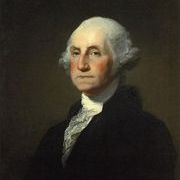
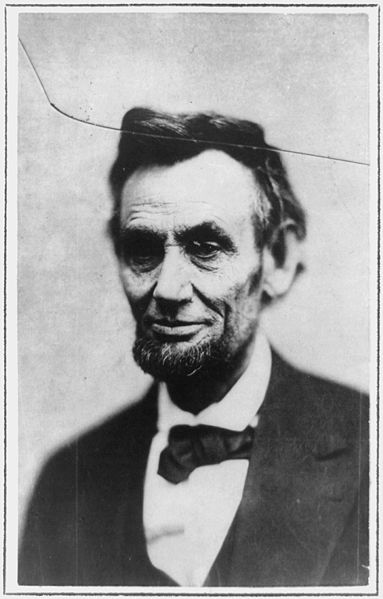
Abraham Lincoln, in an order to the US Army during the Civil War, quotes George Washington's order at the beginning of the US war for independence: 1
The first general order issued by the Father of his Country, after the Declaration of Independence, indicates the spirit in which our institutions were founded and should ever be defended:
- "The general [George Washington] hopes and trusts that every officer and man will endeavor to live and act as becomes a Christian soldier defending the dearest rights and privileges of his country."
This was part of an order issued by President Lincoln on Nov. 16, 1862. Below is the full order:
The President, commander-in-chief of the army and navy, desires and enjoins the orderly observance of the Sabbath by the officers and men in the military and naval service. The importance for man and beast of the prescribed weekly rest, the sacred rights of Christian soldiers and sailors, a becoming deference to the best sentiment of a Christian people, and a due regard for the Divine will, demand that Sunday labor in the army and navy be reduced to the measure of strict necessity. The discipline and character of the national forces should not suffer, nor the cause they defend be imperilled, by the profanation of the day or the name of the Most High. At this time of public distress, adopting the words of Washington in 1776, ''men may find enough to do in the service of God and their country, without abandoning themselves to vice and immorality." The first general order issued by the Father of his Country, after the Declaration of Independence, indicates the spirit in which our institutions were founded and should ever be defended: - "The general hopes and trusts that every officer and man will endeavor to live and act as becomes a Christian soldier defending the dearest rights and privileges of his country."
- 1. Christian Life and Character of the Civil Institutions of the United States, Developed in the Official and Historical Annals of the Republic., by B. F. MORRIS, Philadelphia, 1864, p. 789